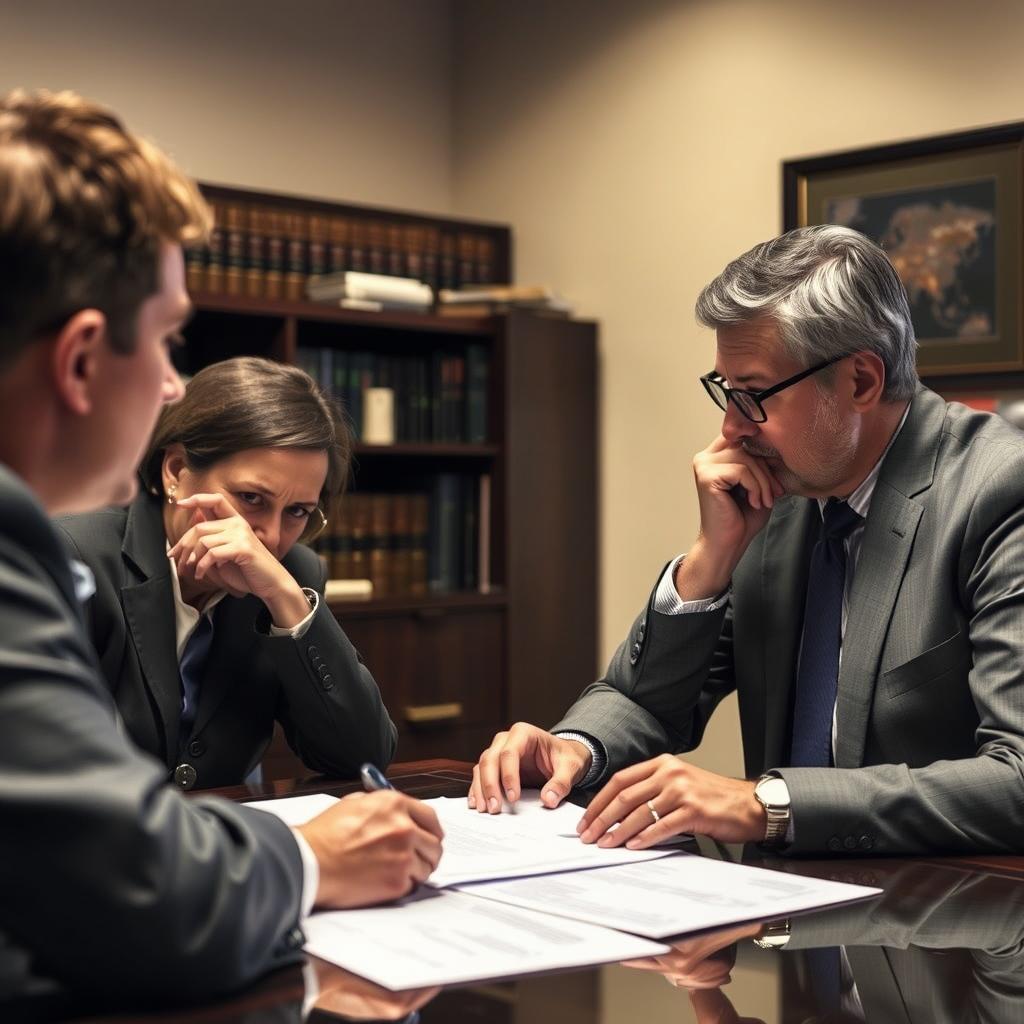
Trusts and Estates Lawyer Cortland County NY
Addressing trusts and estates matters in Cortland County, New York, requires familiarity with Surrogate’s Court procedure and the nuance of New York’s Estates, Powers and Trusts Law. Law Offices Of SRIS, P.C., founded in 1997, represents individuals and families across Central New York, including Cortland County, in the preparation of wills, trust instruments, administration proceedings, and probate litigation. Mr. Sris, Owner and Founder, and the firm’s Of Counsel attorneys appear in the Cortland County Surrogate’s Court and support clients through the procedural steps of estate planning and estate administration. Reach Law Offices Of SRIS, P.C. at (888) 437-7747 to request a consultation. Law Offices Of SRIS, P.C. – Advocacy Without Borders.
What Trusts and Estates Means in Cortland County
Cortland County sits within the broader Central New York region, and its sole Surrogate’s Court is located in the county seat. The Surrogate’s Court hears matters involving the probate of wills, letters of administration when no will exists, guardianship of the property of minors, and proceedings related to trusts. Because New York Estates, Powers and Trusts Law sets forth the formal requirements, a person handling an estate must observe precise notice, citation, and jurisdictional steps. The Surrogate’s Court may require an accounting filing and the posting of a bond in certain situations. Acting with the firm’s Of Counsel attorneys, Mr. Sris handles each stage in the process, from the initial petition to the final decree distributing assets.
For many families in Cortland County, estate planning involves more than drafting a will. Residential real estate, farm properties, small-business interests, and retirement accounts must be structured in a way that coordinates probate and non-probate transfers. The firm helps clients evaluate whether a revocable living trust, a testamentary trust, or a simple will best fits the overall plan, always accounting for applicable federal and New York tax considerations. In every matter, the firm works toward a result that reflects the client’s expressed wishes while following statutory formalities.
How Mr. Sris and the Firm’s Of Counsel Attorneys Handle Trusts and Estates Cases
Every estate matter begins with a review of the facts: the nature and value of the assets, the potential liabilities, the terms of any existing will or trust instrument, and the client’s objectives. If a petition for probate or administration is needed, the firm prepares the necessary pleadings for the Surrogate’s Court. The court schedules a citation hearing or, when permitted, may proceed on the papers. When a will is contested, the firm represents the proponent, a beneficiary, or an objectant in Surrogate’s Court litigation, including SCPA 1404 examinations and discovery.
In trust administration, the focus shifts to the ongoing duties of a trustee: collecting trust assets, investing them prudently, distributing income or principal to beneficiaries, and keeping necessary records. The firm advises trustees on those fiduciary obligations under New York law and helps them avoid claims of breach. When a beneficiary believes a trustee is not fulfilling those duties, the firm may seek an accounting or, if needed, judicial intervention. Throughout the process, Mr. Sris and the firm’s Of Counsel attorneys apply their experience in Surrogate’s Court practice to guide the matter toward a practical resolution.
About Mr. Sris and the Firm’s Of Counsel Attorneys
Mr. Sris is Owner and Founder of Law Offices Of SRIS, P.C. Admitted in Virginia, Maryland, the District of Columbia, New Jersey, and New York, he has practiced since 1997 and brings a multi-jurisdictional perspective to trusts and estates work. Mr. Sris testified before the Virginia House Courts of Justice Committee in support of 2019 HB 635 (chief patron Del. David Bulova). Alongside Mr. Sris, the firm’s Of Counsel attorneys contribute diverse backgrounds that strengthen the firm’s capability to address the procedural and substantive aspects of Surrogate’s Court proceedings.
The firm’s Of Counsel attorneys include practitioners with experience in estate litigation, trust administration, and elder-law considerations. This collective approach allows the firm to serve clients in Cortland County with a team-oriented structure without relying on a single practitioner. All attorneys work by appointment, and initial consultations are available at the firm’s Cortland County location by calling (888) 437-7747.
Frequently Asked Questions
Do I need a lawyer to probate a will in Cortland County?
While New York law allows a named executor to handle a simple, uncontested probate without counsel, the Surrogate’s Court procedure involves detailed jurisdictional and notice requirements that are difficult for a layperson to navigate alone. Mistakes in the petition, failure to properly cite interested parties, or omission of a required document can delay the process and generate additional court appearances. When an estate holds real property, business interests, or contested issues, retaining an attorney experienced in Surrogate’s Court practice helps protect the executor from personal liability and keeps administration on schedule.
How does the Surrogate’s Court process work in Cortland County?
The probate process begins with the filing of a petition, the original will, and supporting affidavits in the Surrogate’s Court; the court then issues citation to all persons named in the will and to any distributee who would inherit if no will existed. Once jurisdictional requirements are met and no objections are filed, the court may issue a decree granting probate and letters testamentary. The executor then collects assets, pays debts, and eventually petitions for a final accounting. The timeline depends on the complexity of the estate and the court’s calendar, but the firm works to advance each step as efficiently as the rules permit.
What if someone contests a will in Cortland County?
A will contest begins when an interested party files objections to probate, typically alleging lack of testamentary capacity, undue influence, or improper execution. The Surrogate’s Court schedules a conference and, if the issues cannot be resolved, a trial on the questions raised. The firm represents parties on either side of a contest, presenting evidence through documents and testimony while working under the New York Estates, Powers and Trusts Law. The outcome depends on the specific proof, and prior results do not guarantee a similar result in any new matter.
Should I use a living trust instead of a will in New York?
A revocable living trust is not necessary for every estate; whether it makes sense depends on the nature of the assets, whether privacy from the public probate process is desired, and the need to plan for incapacity. Trusts funded during life can avoid Surrogate’s Court proceedings for those assets, but they require careful funding and management. The firm helps clients weigh the advantages and the responsibilities of a trust-based plan against the relative simplicity of a will-centered estate plan, always grounding the recommendation in the individual’s circumstances.
How do I find a trusts and estates lawyer in Cortland County?
Finding a qualified trusts and estates lawyer in Cortland County begins with looking for a practitioner who regularly appears in the local Surrogate’s Court and understands New York estate procedure. Law Offices Of SRIS, P.C. represents clients throughout Central New York, including Cortland County, and offers consultations by appointment. To discuss your specific situation, reach the firm at (888) 437-7747.
What fees are involved in a typical estate administration?
The cost of estate administration varies because it depends on the size and complexity of the estate, whether litigation arises, and the time the attorney must devote to the matter. Some Surrogate’s Court proceedings allow attorney fees to be paid from estate assets, subject to court approval. At an initial consultation, the firm can review the details of the estate and outline a fee arrangement that fits the scope of work. Call (888) 437-7747 to schedule.
For more information on related topics, see our pages on estate planning in Cortland County, probate representation, and trust administration in Central New York.
Outbound authority links: Virginia Code Title 13.1 | SCC business entity filings | Virginia Courts
The firm’s principal office is in Buffalo, New York, approximately 150 miles from Cortland County. Consultations may be conducted in person, by telephone, or video conference.
Attorney advertising. Prior results do not guarantee a similar outcome.
Case results depend on a variety of factors unique to each case.
Attorney responsible for this advertising: Mr. Sris.
Results may vary.