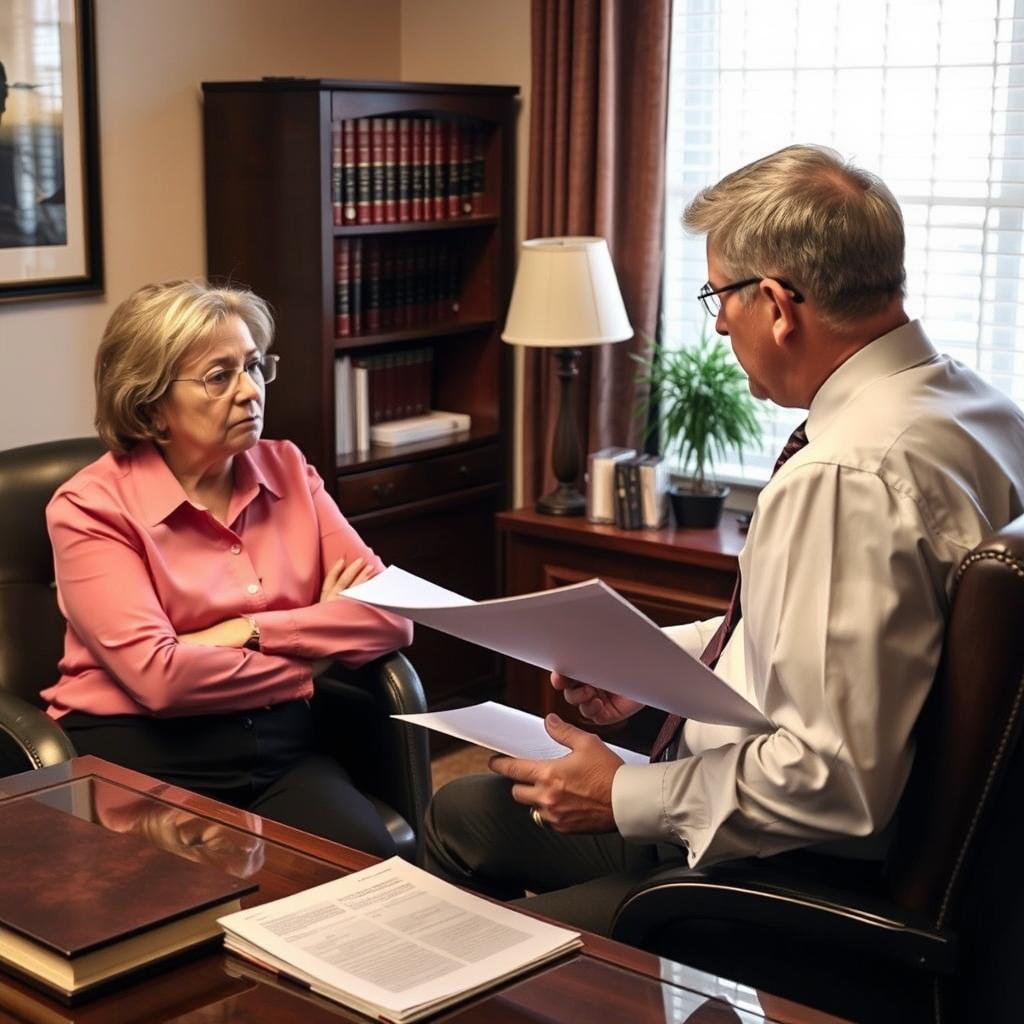
Amputation Lawyer Essex County, VA
It was an ordinary Tuesday afternoon on Route 17 near Tappahannock. A delivery truck crossed the center line and struck a sedan head-on. The driver survived—but the damage to her leg was catastrophic. After multiple surgeries, doctors made the call: the limb could not be saved. She woke up facing a lifetime of medical care, prosthetics, rehabilitation, and a future she never expected. If you or someone you love has suffered an amputation injury in Essex County, Virginia, the legal questions can feel overwhelming. An experienced attorney can help you pursue compensation while you focus on healing. Reach Law Offices Of SRIS, P.C. at (888) 437-7747. Law Offices Of SRIS, P.C. – Advocacy Without Borders.
What To Do After an Amputation Injury in Essex County
An amputation injury changes everything—physically, emotionally, and financially. The first priority is always medical care. Once you are stable, preserving evidence becomes critical. Photographs of the accident scene, the vehicle or equipment involved, and your injuries can support your claim. Witness contact information matters, as recollections fade quickly. You should also notify your insurance company, but be cautious about giving recorded statements before speaking with a lawyer. Insurance adjusters may ask questions designed to minimize your claim. An experienced attorney handles these communications and works to protect your interests from the start.
Virginia follows a strict contributory negligence rule. If you are found even one percent at fault for the accident that caused your amputation, you may be barred from recovering any compensation. This makes it especially important to have legal guidance before speaking with insurers or other parties. Law Offices Of SRIS, P.C. represents clients throughout Essex County, including communities such as Tappahannock, Dunnsville, and Center Cross. Mr. Sris and his Of Counsel team understand how contributory negligence affects amputation claims and work to build a complete factual record from the earliest stages of your case.
How Amputation Injury Claims Work in Virginia
An amputation claim is a type of personal injury action. In Virginia, you generally have two years from the date of the injury to file suit, under Va. Code § 8.01-243(A). Missing this deadline can mean losing the right to seek compensation entirely. The claims process typically begins with an investigation. Your attorney gathers medical records, accident reports, employment records, and experienced attorney assessments. The goal is to establish liability and to document the full scope of your losses—past and future medical expenses, lost income, reduced earning capacity, pain and suffering, and the cost of prosthetics and adaptive equipment.
Most amputation claims are resolved through negotiation with the at-fault party’s insurance carrier. If a fair settlement cannot be reached, the case may proceed to litigation. In Essex County, personal injury matters are heard at the Essex County Circuit Court, located at 300 Prince Street in Tappahannock. The court schedules hearings on its own calendar, and the timeline for resolution depends on the complexity of the case and the court’s docket. Throughout the process, your attorney presents evidence, engages with expert witnesses, and advocates for a result that reflects the seriousness of an amputation injury.
Damages Available in Virginia Amputation Cases
Amputation injuries generate significant economic and non-economic losses. Economic damages include medical bills, hospital stays, surgeries, physical therapy, prosthetics—which may need replacement every few years—and home modifications for accessibility. They also include lost wages during recovery and diminished earning capacity if you cannot return to your previous occupation. Non-economic damages compensate for pain, suffering, emotional distress, disfigurement, and loss of enjoyment of life. Virginia does not cap compensatory damages in most personal injury cases, though punitive damages are capped under Va. Code § 8.01-38.1.
However, Virginia’s contributory negligence rule can eliminate recovery entirely if the injured person bears any share of fault. Insurance companies know this and may argue that you contributed to the accident in some way—by speeding, by not wearing a seatbelt, or by failing to avoid the hazard. Mr. Sris and his Of Counsel team evaluate these arguments carefully and gather evidence to counter claims of contributory negligence. The difference between a successful claim and a denied one often comes down to the quality of the investigation and the experience of the attorney presenting your case.
About Mr. Sris and His Of Counsel Team
Mr. Sris, Owner and Founder of Law Offices Of SRIS, P.C., established the firm in 1997. He is a former prosecutor who now represents individuals in personal injury, criminal defense, and family law matters. Mr. Sris is admitted to practice in Virginia, Maryland, the District of Columbia, New Jersey, and New York. His background in the courtroom informs his approach to civil litigation—he understands how evidence is tested and how opposing counsel builds a defense. On personal injury matters, including amputation claims, Mr. Sris works collaboratively with his Of Counsel team. These attorneys bring extensive litigation experience. The firm serves clients across all five jurisdictions from its various locations.
The firm’s Of Counsel attorneys include practitioners with backgrounds in criminal prosecution, law enforcement, and civil trial work. Each contributes to the preparation of amputation injury claims by analyzing liability, consulting with medical and vocational attorneys, and developing persuasive damage presentations. The firm is multi-state and multi-lingual, with staff who speak English, Spanish, and Tamil. Consultations are available by appointment. Reach the firm at (888) 437-7747 to discuss your situation.
Frequently Asked Questions
How does Virginia’s contributory negligence rule affect an amputation claim?
Virginia’s contributory negligence rule bars recovery entirely if the injured person is found even one percent at fault for the accident. This is one of the strictest liability standards in the country. Insurance companies frequently raise contributory negligence as a defense in serious injury cases, including amputation claims. An experienced attorney investigates the facts thoroughly and works to establish that the other party bears full responsibility. For guidance on your specific situation, reach Law Offices Of SRIS, P.C. at (888) 437-7747.
How long do I have to file an amputation injury claim in Virginia?
In Virginia, you generally have two years from the date of the injury to file a personal injury lawsuit, including claims arising from amputation injuries. This deadline is set by Va. Code § 8.01-243(A). If the two-year period passes without filing, the court will likely dismiss your case. Certain exceptions may apply in limited circumstances. Because prompt investigation is essential, contacting an attorney soon after the injury helps preserve evidence and witness testimony. To discuss the details of your matter, contact Law Offices Of SRIS, P.C. at (888) 437-7747.
What types of compensation can I seek for an amputation injury?
Amputation injury victims may seek compensation for medical expenses, future medical care, lost income, reduced earning capacity, pain and suffering, and the cost of prosthetics and rehabilitation. Economic damages cover quantifiable financial losses. Non-economic damages address the personal impact of the injury—physical pain, emotional trauma, disfigurement, and loss of life enjoyment. Virginia does not cap compensatory damages in most personal injury cases, though punitive damages are capped under Va. Code § 8.01-38.1. A lawyer evaluates your specific losses and presents evidence to support full compensation. Results may vary.
Do I need a lawyer for an amputation claim in Essex County?
You are not legally required to hire a lawyer for an amputation claim, but the complexity of Virginia’s contributory negligence rule and the high value of these cases make experienced legal representation important. Insurers may offer settlements that do not account for long-term medical needs or diminished earning capacity. An attorney investigates the accident, gathers expert testimony, and negotiates on your behalf. For a consultation, reach Mr. Sris and his Of Counsel at (888) 437-7747.
How do I find an amputation lawyer near Tappahannock?
Law Offices Of SRIS, P.C. serves clients throughout Essex County from its Richmond Location and represents individuals at the Essex County Circuit Court in Tappahannock. You can reach the firm at (888) 437-7747 to schedule a consultation. The firm handles personal injury matters across Virginia and appears regularly in courts throughout the Commonwealth. Consultations are by appointment.
What should I bring to a consultation with an amputation injury attorney?
Bring any accident reports, medical records, photographs of the scene and your injuries, insurance correspondence, and contact information for witnesses. If you have documentation of lost wages or medical bills, include those as well. The attorney uses this information to evaluate liability, assess damages, and explain your legal options. If you do not have all of these documents, bring what you can. Contact Law Offices Of SRIS, P.C. at (888) 437-7747 to schedule a consultation.
Can I recover if the amputation resulted from a workplace accident in Virginia?
Workplace amputation injuries are generally handled through Virginia’s workers’ compensation system, though a third-party claim may be available if someone other than your employer caused the injury. Workers’ compensation provides medical benefits and a portion of lost wages regardless of fault. If a contractor, equipment manufacturer, or other third party contributed to the accident, you may have a separate personal injury claim. An attorney reviews the facts to identify all possible sources of recovery.
What if the amputation was caused by a defective product?
If a defective product caused your amputation, you may have a product liability claim against the manufacturer, distributor, or retailer. These claims can involve design defects, manufacturing flaws, or inadequate safety warnings. Product liability cases often require expert testimony to establish the defect and show how it caused the injury. The same two-year statute of limitations generally applies under Virginia law. Contact Law Offices Of SRIS, P.C. to discuss the details of your situation.
How are future medical costs calculated in an amputation case?
Future medical costs in an amputation case are calculated using expert testimony from medical professionals, vocational attorneys, and life-care planners who project the injured person’s long-term needs. These projections include prosthetic replacement cycles, ongoing physical therapy, potential revision surgeries, and home modifications. An experienced attorney works with these attorneys to build a comprehensive life-care plan that supports the claim for future damages.
Will my amputation case go to trial?
Most amputation injury claims settle before trial, but some cases proceed to litigation when the parties cannot agree on a fair resolution. Your attorney prepares the case for trial from the start, even while negotiating. If trial becomes necessary, the case may be heard at the Essex County Circuit Court. The timeline for trial depends on the court’s calendar and the complexity of the issues. Contact Law Offices Of SRIS, P.C. at (888) 437-7747 for guidance on your specific matter.
For a more detailed analysis of Virginia personal injury statutes, visit our comprehensive overview on srislawyer.com.
Additional localities where the firm handles personal injury matters: Fairfax County, Prince William County, and Fairfax City.
To schedule a consultation about an amputation injury claim in Essex County, reach Law Offices Of SRIS, P.C. at (888) 437-7747. The firm’s Richmond Location serves clients throughout Essex County, including Tappahannock, Dunnsville, and Center Cross. Consultations are by appointment.
Attorney advertising. Prior results do not guarantee a similar outcome. Results may vary.
Case results depend on a variety of factors unique to each case.