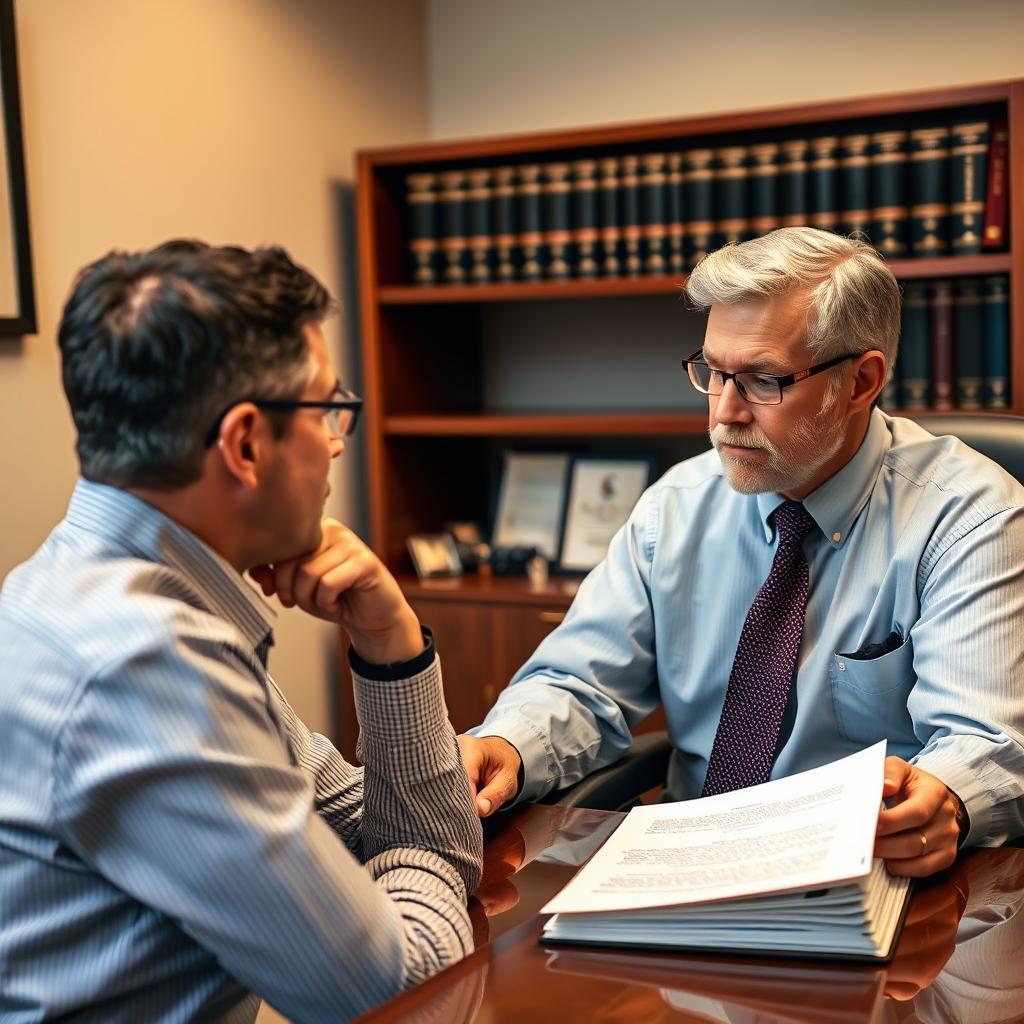
Paralysis Lawyer Essex County, VA
A spinal cord injury or traumatic brain event that results in paralysis changes life instantly. One moment you are living your everyday routine; the next, your mobility, independence, and financial future are thrown into uncertainty. When that injury happens because of someone else’s negligent or reckless conduct—a car crash on Route 17, a fall on unsafe property in Tappahannock, or a medical error—you and your family deserve a clear path toward accountability and the resources needed for lifelong care. Law Offices Of SRIS, P.C. Concentrates its practice on personal injury litigation for individuals and families throughout Essex County, Virginia, including paralysis claims arising from motor-vehicle collisions, premises‑liability failures, and other serious incidents. Call our firm at (888) 437-7747 to request a consultation about your situation.
What Paralysis Means in Essex County
Paralysis—the partial or complete loss of muscle function and sensation—can result from damage to the spinal cord, brain, or peripheral nerves. In legal terms, a paralysis injury gives rise to a personal‑injury claim against the party whose fault caused the harm. Essex County residents pursue these claims in the local courts, typically the Essex County Circuit Court (300 Prince Street, Tappahannock) or, for lower‑value matters, the General District Court. Because Virginia follows a pure contributory‑negligence rule, an injured person found even one percent at fault is barred from recovering any compensation. This makes a thorough investigation and careful case presentation critical from the very beginning.
Our Richmond location serves clients throughout Essex County, from Tappahannock to Dunnsville and Center Cross. We appear regularly in the Circuit Court and are familiar with how personal‑injury matters proceed in this part of the Commonwealth. The two‑year statute of limitations for personal‑injury actions (Va. Code § 8.01‑243(A)) means that a claim must be filed within two years of the date of injury. For paralysis injuries, which often involve ongoing medical evaluation, that deadline can approach quickly. Prompt action is essential to preserve evidence, interview witnesses, and build the strong case before the filing window closes.
How Mr. Sris and His Of Counsel Handle Paralysis Cases
A paralysis case demands more than just establishing fault. It requires a detailed economic and medical picture of the injured person’s future needs—lifetime care costs, assistive technology, home modifications, lost earning capacity, and personal‑support requirements. Mr. Sris and his Of Counsel assemble a team of medical, vocational, and life‑care‑planning attorneys who can quantify these damages in a way the court can evaluate. We work to prove the full scope of the harm so that any settlement or verdict reflects the real financial burden that paralysis imposes.
Whether the paralysis resulted from a truck accident, a slip‑and‑fall on commercial property, or a defective product, our approach is deliberate. We gather crash‑scene measurements, black‑box data in commercial vehicle cases, and maintenance records; we depose treating physicians, pain‑management attorney, and employers; and we retain independent attorneys who can explain the injury to a judge or jury. Because Virginia does not cap compensatory damages in most personal‑injury cases, a well‑prepared presentation can make a substantial difference in the available recovery, subject always to the facts and evidence of each matter. Our firm handles paralysis cases on a contingency‑fee basis—no attorneys’ fees are owed unless we obtain a recovery.
About Mr. Sris and His Of Counsel Team
Mr. Sris, Owner and Founder of Law Offices Of SRIS, P.C., has practiced law since the firm’s founding in 1997. A former prosecutor, he brings firsthand insight into how litigation is built from both sides of the courtroom. He is admitted to practice in Virginia, Maryland, the District of Columbia, New Jersey, and New York. Mr. Sris testified before the Virginia House Courts of Justice Committee in support of 2019 HB 635 (chief patron Del. David Bulova).
Mr. Sris and his Of Counsel bring extensive combined legal experience. Results may vary. The team handles complex personal‑injury litigation across Virginia, drawing on a network of medical and financial professionals to present paralysis claims with the detail they demand. Every case is managed with the understanding that the ultimate goal is to secure the resources necessary for the injured person’s long‑term quality of life.
Frequently Asked Questions
What is a paralysis injury case?
A paralysis injury case is a personal‑injury claim seeking compensation for the physical, financial, and emotional harm caused by the loss of muscle function and sensation due to someone else’s negligence. Such cases often involve automobile crashes, falls, workplace incidents, or medical malpractice. The claim encompasses past and future medical expenses, rehabilitation, home modifications, lost income, pain and suffering, and the impact on the injured person’s ability to enjoy life. Because paralysis injuries usually require lifelong care, the damages sought can be significant, and the litigation must be supported by extensive expert testimony.
How does Virginia’s contributory negligence rule affect my paralysis claim?
Under Virginia’s contributory negligence rule, if you are found even one percent at fault for the incident that caused your paralysis, you are completely barred from recovering any compensation. This is one of the strictest liability standards in the country. Insurance companies and defense lawyers often argue that the injured person contributed to the accident in some small way. That is why thorough accident reconstruction, witness interviews, and forensic analysis are essential—to place the full responsibility on the defendant and protect your right to a recovery.
What damages can I recover in a paralysis case in Essex County?
You may recover economic damages such as past and future medical expenses, lost wages, and the cost of lifetime care, as well as non‑economic damages for pain, suffering, and loss of enjoyment of life. Unlike some states, Virginia does not impose a statutory cap on compensatory damages in most personal‑injury cases, so the jury may award an amount that reflects the full extent of your harm. However, insurance‑policy limits and the defendant’s assets often determine what can actually be collected. An experienced attorney can evaluate all available sources of compensation, including underinsured‑motorist coverage when applicable.
How long do I have to file a paralysis lawsuit in Virginia?
You generally have two years from the date of the injury to file a personal‑injury lawsuit in Virginia under Va. Code § 8.01‑243(A). Missing this deadline will likely bar your claim permanently. There are limited exceptions—for example, if the injury was not reasonably discoverable until later—but those are narrow and fact‑specific. For a paralysis injury, waiting can also cause evidence to disappear and witness memories to fade. Contacting a lawyer soon after the injury gives you the trusted chance to meet all legal deadlines and preserve your case.
Do I need a lawyer for a paralysis injury in Essex County?
You are not legally required to hire a lawyer, but paralysis cases involve complex medical evidence, future‑care projections, and strict procedural rules that are difficult to navigate without legal experience. Insurance adjusters often offer settlements quickly that do not account for long‑term needs. An attorney who handles paralysis claims can assemble the right attorneys, calculate the full value of your damages, and negotiate from a position of strength. If a fair settlement cannot be reached, the attorney is prepared to try the case. Most paralysis lawyers, including our firm, work on a contingency‑fee basis, so there is no upfront cost to you.
What causes paralysis injuries that lead to personal‑injury claims?
Paralysis injuries that give rise to legal claims are most often caused by motor‑vehicle accidents—car, truck, and motorcycle crashes—as well as falls, sports‑related trauma, acts of violence, and medical errors. In motor‑vehicle cases, the force of a collision can fracture vertebrae or sever the spinal cord. Falls from heights or on negligent property conditions are another common source. Regardless of the cause, an attorney must prove that the defendant’s breach of a legal duty directly resulted in the injury and the resulting paralysis. Each case turns on its own facts, and a prompt investigation is necessary to identify all responsible parties.
Related pages:
Fairfax County Personal Injury Lawyer ·
Fairfax City Personal Injury Lawyer ·
Falls Church Personal Injury Lawyer ·
Prince William County Personal Injury Lawyer ·
Manassas City Personal Injury Lawyer
Virginia legal resources:
Virginia Code Title 8.01 ·
Virginia Judicial System
Attorney advertising. Prior results do not guarantee a similar outcome. Results may vary.
Case results depend on a variety of factors unique to each case.